
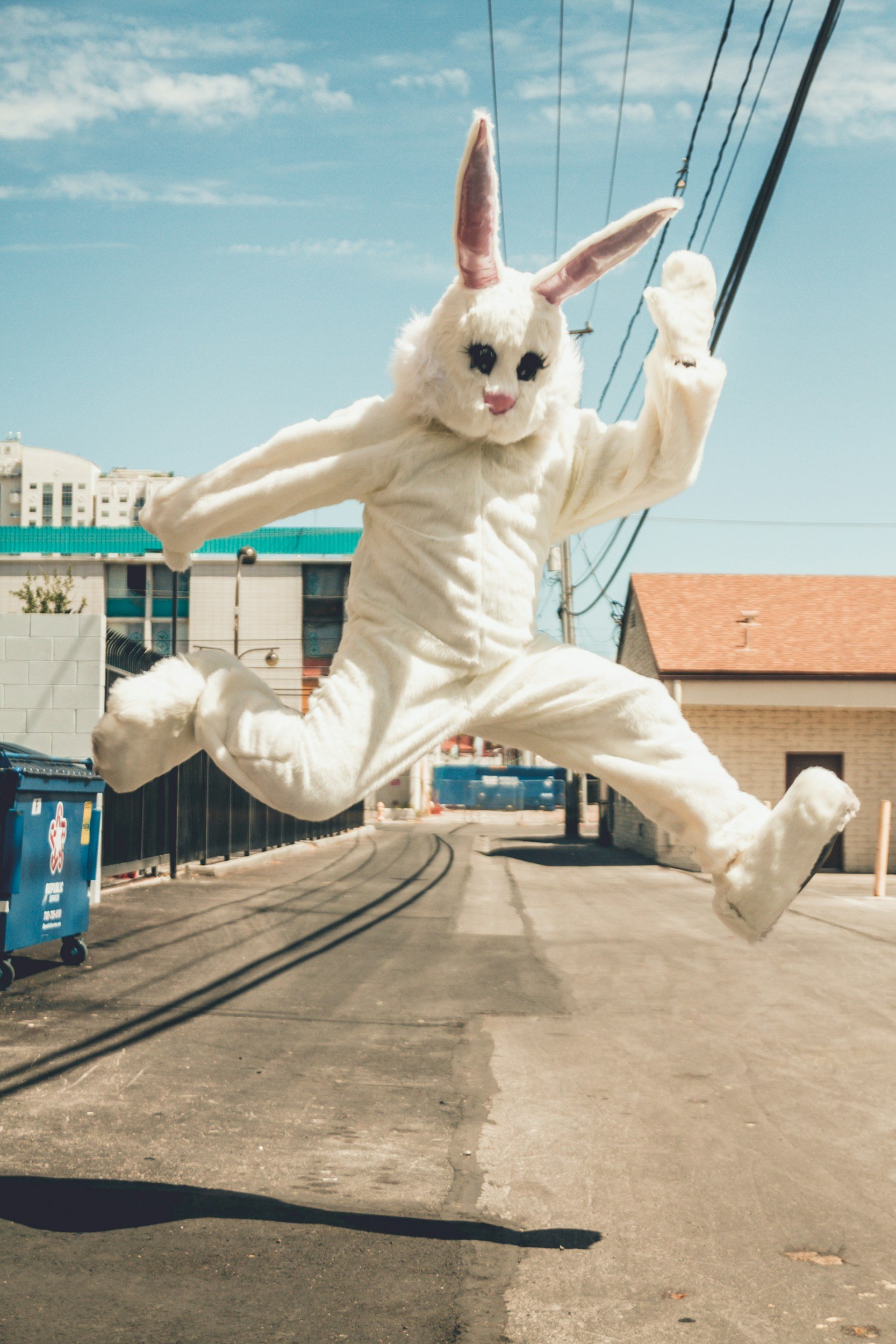
O tema esta semana é Páscoa - The theme this week is Easter. Falta pouco - it’s soon!
Some words about Páscoa!
at Easter - na Páscoa
Good Friday - Sexta-feira Santa
Palm Sunday - Domingo de Ramos
spring - primavera
Easter egg - ovo de Páscoa
egg hunt - caça aos ovos
rabbit - coelho
basket - cesto
chick - pinto
the cross - a cruz
almonds - amêndoas
folar de Páscoa - Easter bread
Here’s a link to a Quizlet set with the words for you to play about with. Enjoy!
If you would like to join one of the weekly chat groups - we run two weekly - A0/A1 Weds 13h-13h30, A2/B1 - Thurs 13h-13h45, all details are in the weekly newsletter - sign up here.
AND because we learn really well from stories and seeing examples of correct language, every week I put together 3 stories or dialogues on the week’s theme with examples of the week’s words and phrases in a useful context. I strongly believe that we can learn a lot from reading, these mini-texts with translations are just the right length for you to digest easily. (look at the translations first if that helps!)
🐣 História A0 / A1 – O Domingo de Páscoa
No domingo de Páscoa, a família da Ana vai à missa de manhã. Depois, todos vão para casa da avó. A mesa está cheia de comida: cabrito assado, ovos, pão e doces. As crianças procuram ovos de chocolate no jardim. A Ana encontra três ovos. Ela está muito feliz. A avó dá amêndoas coloridas a todos. É um dia especial com a família. Todos comem, falam e riem juntos. À noite, a Ana está cansada, mas contente. A Páscoa é uma festa bonita.
🐰 História A2 – A Visita Pascal
Na aldeia do Miguel, há uma tradição antiga na Páscoa: a Visita Pascal. No domingo ou na segunda-feira, o padre e dois ajudantes vão de casa em casa com uma cruz. As pessoas beijam a cruz e recebem uma bênção. O Miguel e a família limpam a casa e preparam doces, como folar e arroz doce. Quando o padre chega, oferecem um pouco de vinho do Porto e bolo. É uma forma de celebrar a fé e estar com a comunidade. O Miguel gosta desta tradição porque junta vizinhos e amigos. As crianças ganham ovos de chocolate e correm pelo quintal. É um momento alegre e importante.
🌼 História B1 – O Significado do Folar da Páscoa
Em muitas regiões de Portugal, existe o costume de oferecer o folar na Páscoa. Trata-se de um pão doce ou salgado, frequentemente decorado com ovos cozidos com casca. A tradição diz que o folar representa amizade, reconciliação e partilha. A Marta lembra-se de quando era criança e fazia o folar com a avó. A massa tinha de levedar várias horas, e o cheiro do forno era maravilhoso. No Domingo de Páscoa, levavam o folar para casa dos padrinhos, como sinal de respeito e carinho. Hoje, a Marta faz questão de manter a tradição com os filhos. Embora a vida seja mais corrida, ela acredita que estes gestos ajudam a manter vivas as ligações familiares e culturais. Para ela, o verdadeiro sabor da Páscoa está nessas memórias e no amor que se partilha.
TRANSLATIONS
🐣 Story A1 – Easter Sunday
On Easter Sunday, Ana’s family goes to church in the morning. Then, they all go to Grandma’s house. The table is full of food: roast goat, eggs, bread and sweets. The children look for chocolate eggs in the garden. Ana finds three eggs. She is very happy. Grandma gives colourful almonds to everyone. It’s a special day with the family. Everyone eats, talks, and laughs together. In the evening, Ana is tired but happy. Easter is a beautiful celebration.
🐰 Story A2 – The Easter Visit
In Miguel’s village, there is an old Easter tradition: the Easter Visit. On Sunday or Monday, the priest and two helpers go from house to house with a cross. People kiss the cross and receive a blessing. Miguel and his family clean the house and prepare sweets, like folar (Easter bread) and rice pudding. When the priest arrives, they offer a little Port wine and cake. It’s a way to celebrate faith and be with the community. Miguel likes this tradition because it brings neighbours and friends together. Children get chocolate eggs and run around the yard. It’s a joyful and meaningful time.
🌼 Story B1 – The Meaning of Easter Folar
In many regions of Portugal, it is customary to give folar at Easter. It is a sweet or savoury bread, often decorated with boiled eggs in their shells. Tradition says that folar represents friendship, reconciliation, and sharing. Marta remembers making folar with her grandmother as a child. The dough had to rise for several hours, and the smell from the oven was wonderful. On Easter Sunday, they would take the folar to the godparents’ house as a sign of respect and affection. Today, Marta makes sure to keep the tradition alive with her children. Even though life is busier now, she believes these gestures help keep family and cultural ties strong. For her, the true flavour of Easter lies in those memories and the love that is shared.