
Every week we send out an email with a weekly theme containing: words; a link to a Quizlet set to practise and play with the words; stories or dialogues at 3 different levels and an invitation to join the weekly chat group. Now you can find all this here in one place. ** If you’d like to sign up to the email, you can do so here.
This week’s theme is animais.
There are a lot of idiomatic expressions with animals in them. They are always interesting to look at. Here’a a little quiz about some that may be interesing:
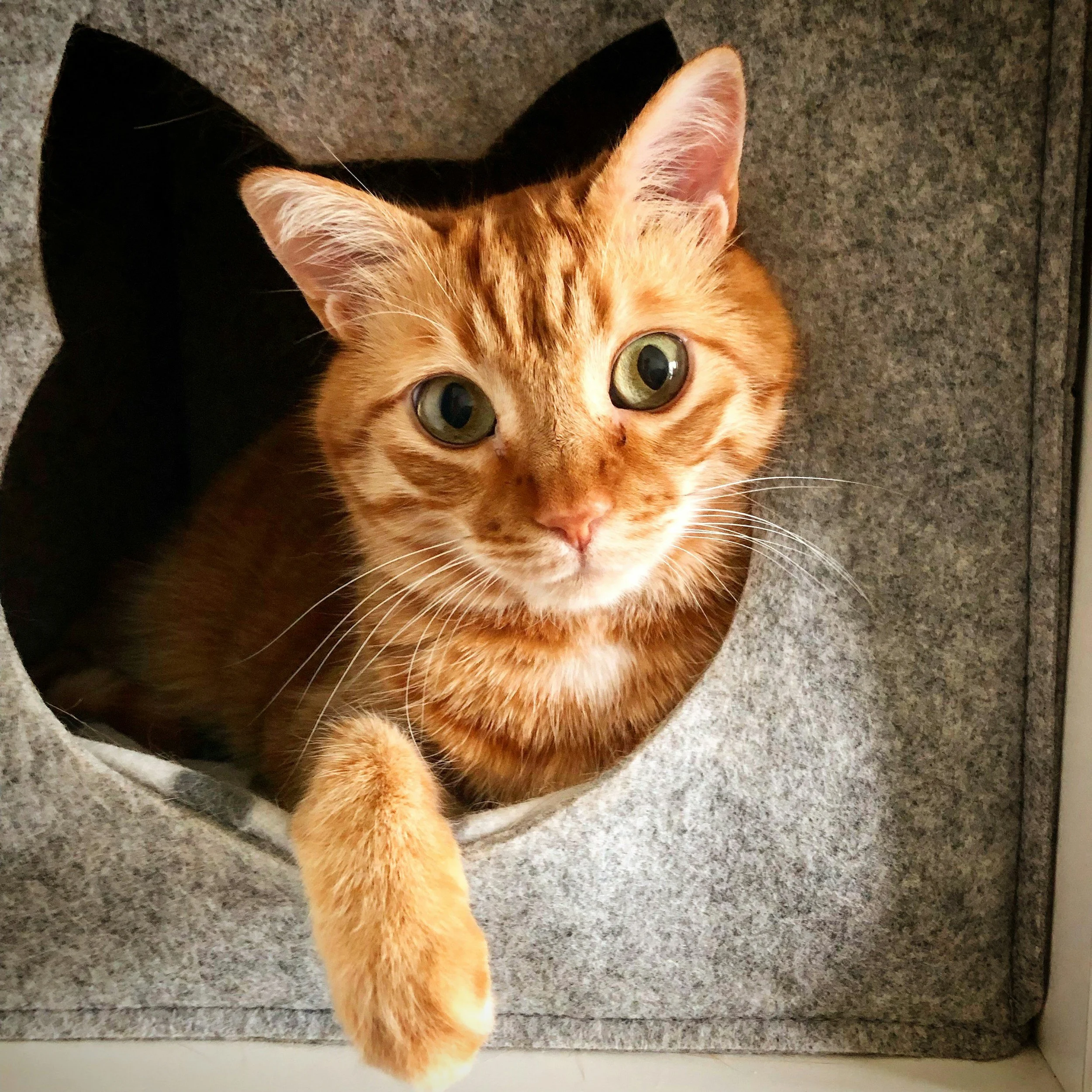
1. How do you say ginger cat in Portuguese?
a) gato gengibre
b) gato cor de laranja
c) gato amarelo
2. What does it mean if you call someone a foolish cockroach (barata tonta)?
a) they are dirty
b) they are scatty and discorganised
c) it’s a term of endearment
3. How do you say ‘don’t count your chickens before they’ve hatched’?
a) don’t count on the egg in the chicken’s bottom
b) don’t sell the bear’s skin before you’ve killed it
c) don’t praise the day before the evening
So, this week, the phrases of the week are some idioms with animals.
matar dois coelhos com uma cajada - kill two birds with one stone (lit. kill two rabbits with one staff)
contar com o ovo no cu da galinha - count your chickens before they've hatched (lit. count on the egg in the chicken's bottom)
barata tonta - scatty, disorganised person (lit. foolish cockroach)
ficar com a pulga atrás da orelha - be suspicious (lit. stay with a flea behind the ear)
quem não tem cão caça com gato - improvise, make do with what you have (lit. who doesn't have dog hunts with cat)
Here’s a link to a Quizlet set with the phrases for you to play about with. Enjoy!
If you would like to join one of the weekly chat groups - we run two weekly - A0/A1 Weds 13h-13h30, A2/B1 - Thurs 13h-13h45, all details are in the weekly newsletter - sign up here.
AND because we learn really well from stories and seeing examples of correct language, every week I put together 3 stories or dialogues on the week’s theme with examples of the week’s words and phrases in a useful context. I strongly believe that we can learn a lot from reading, these mini-texts with translations are just the right length for you to digest easily. (look at the translations first if that helps!)
The dialogues for this week with the translations below are here:
A1
A Ana vive em Lisboa e gosta muito de animais. Ela quer adotar um cão, porque passa muito tempo sozinha em casa. Um dia, ela vai ao canil no seu bairro. No canil, ela vê muitos cães e gatos. Alguns são pequenos, outros são grandes. A Ana fala com a funcionária e explica que quer um cão calmo e amigável. A funcionária apresenta o Nico, um cão castanho com olhos muito doces. A Ana passeia com o Nico pelo jardim e sente-se muito feliz. O Nico segue-a e abana a cauda. A Ana decide que o Nico é perfeito para ela. No final, ela leva o Nico para casa e começa uma nova vida com o seu novo amigo.
A2
O João sempre gostou de animais, mas nunca teve oportunidade de ter um em casa. No ano passado, ele visitou um canil em Setúbal para conhecer alguns cães. Quando entrou, ouviu muitos latidos e ficou um pouco nervoso. Uma voluntária aproximou-se e mostrou-lhe a Lira, uma cadela preta e branca muito tranquila. O João pegou na trela e levou-a a passear. Durante o passeio, percebeu que a Lira caminhava devagar e olhava para ele com confiança. Ele sentiu uma ligação imediata. Depois da visita, voltou ao canil e completou o processo de adoção. Desde então, a Lira vive com ele, acompanha-o nas caminhadas e trouxe mais alegria à sua rotina.
B1
A Teresa procurava um animal de companhia que se adaptasse ao seu estilo de vida. Trabalha muitas horas, mas passa os fins de semana em casa e gosta de ambientes tranquilos. Depois de alguma pesquisa, decidiu visitar uma associação de adoção no Porto. Lá conheceu o Figo, um gato ruivo que tinha sido encontrado na rua. A funcionária explicou-lhe que o Figo era carinhoso, mas um pouco desconfiado de estranhos. A Teresa passou quase uma hora a brincar com ele e percebeu que o gato relaxava quando ela falava com voz suave. No dia seguinte, regressou para finalizar a adoção. Agora o Figo vive no apartamento dela, dorme ao sol na varanda e segue-a pela casa, mostrando uma confiança crescente.
Translations of the stories:
A1 Ana lives in Lisbon and likes animals very much. She wants to adopt a dog because she spends a lot of time alone at home. One day, she goes to an animal shelter in her neighbourhood. In the shelter, she sees many dogs and cats. Some are small, others are big. Ana talks to the staff member and explains that she wants a calm and friendly dog. The staff member introduces Nico, a brown dog with very sweet eyes. Ana walks with Nico in the garden and feels very happy. Nico follows her and wags his tail. Ana decides that Nico is perfect for her. In the end, she takes Nico home and starts a new life with her new friend.A2 João has always liked animals but never had the chance to have one at home. Last year, he visited a dog shelter in Setúbal to meet some dogs. When he entered, he heard many barks and felt a bit nervous. A volunteer approached him and showed him Lira, a very calm black-and-white dog. João took the lead and walked her. During the walk, he noticed that Lira walked slowly and looked at him with trust. He felt an immediate connection. After the visit, he returned to the shelter and completed the adoption process. Since then, Lira has lived with him, joins him on walks and has brought more joy to his routine.B1 Teresa was looking for a pet that would suit her lifestyle. She works many hours, but she spends weekends at home and enjoys calm environments. After some research, she decided to visit an adoption centre in Porto. There she met Figo, a ginger cat that had been found on the street. The staff member explained that Figo was affectionate but a bit wary of strangers. Teresa spent almost an hour playing with him and realised that he relaxed when she spoke in a soft voice. The next day, she returned to complete the adoption. Now Figo lives in her flat, sleeps in the sun on the balcony, and follows her around the house, showing growing trust.Answers:
1 – c (yellow cat), 2 – b, 3 – a (não conte com o ovo no cu da galinha)