
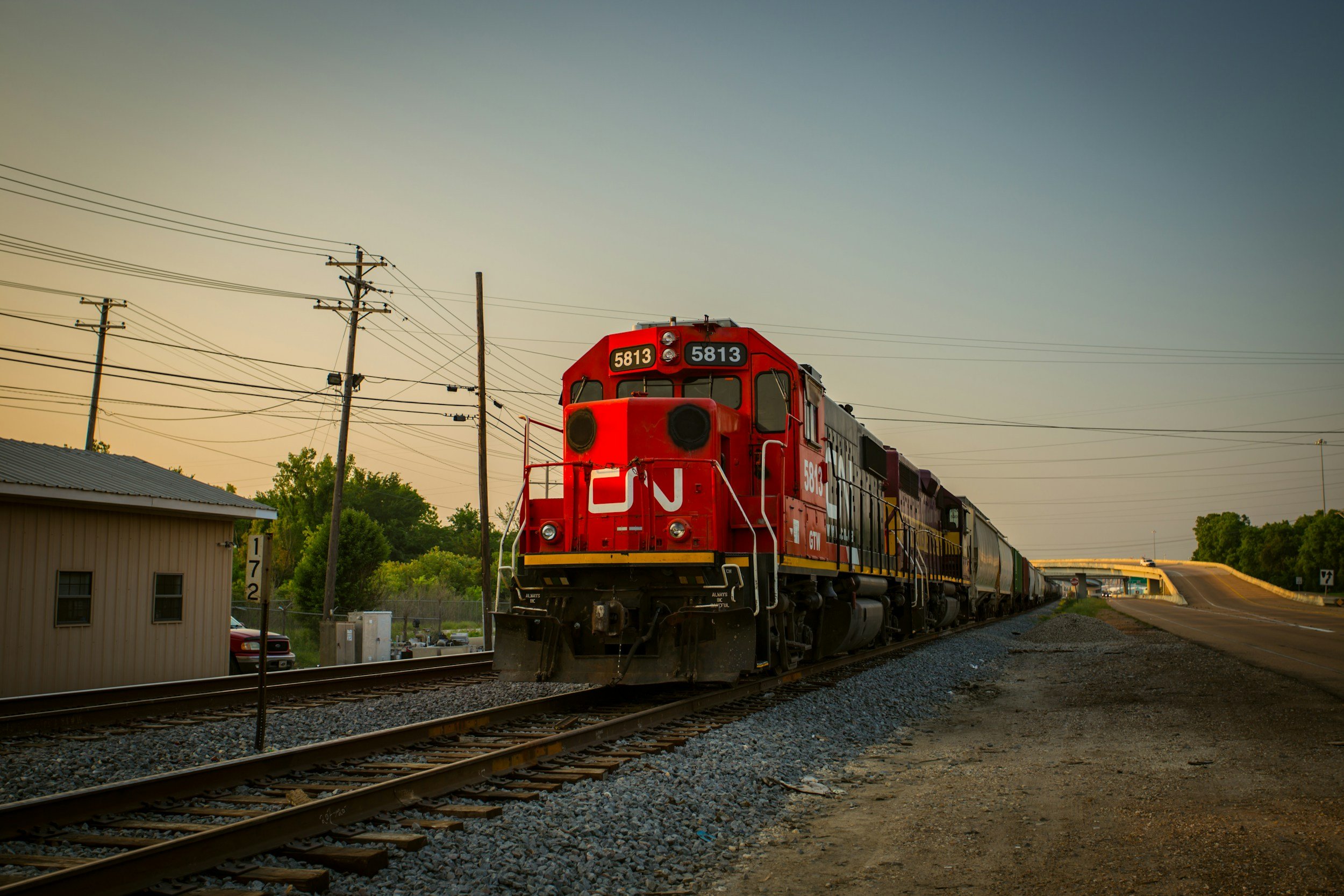
O tema esta semana é No comboio - The theme this week is On the train.
um bilhete de ida e volta - a return ticket
um bilhete simples - a single ticket
preciso de mudar de comboio? - do I need to change train?
é direto - it's direct
daqui a vinte minutos - in 20 minutes
de primeira classe - by (lit. of) 1st class
de segunda classe - by (lit. of) 2nd class
qual é a linha? - which is the platform?
quanto tempo falta para a partida? - how much time is there before the departure? (lit. how much time misses for)
quanto tempo demora a viagem? - how long does the journey take? (lit. how much time lasts the journey)
Here’s a link to a Quizlet set with the words for you to play about with.
If you would like to join one of the weekly chat groups - we run two weekly - A0/A1 Weds 13h-13h30, A2/B1 - Thurs 13h-13h45, all details are in the weekly newsletter - sign up here.
AND because we learn really well from stories and seeing examples of correct language, every week I put together 3 stories or dialogues on the week’s theme with examples of the week’s words and phrases in a useful context. I strongly believe that we can learn a lot from reading, these mini-texts with translations are just the right length for you to digest easily. (look at the translations first if that helps!)
A0 / A1 Na bilheteira da estação
— Bom dia!
— Bom dia. Queria um bilhete, por favor.
— Para onde?
— Para Lisboa.
— Quer um bilhete simples ou um bilhete de ida e volta?
— Um bilhete simples, por favor.
— Segunda classe?
— Sim, de segunda classe.
— O comboio parte daqui a vinte minutos.
— É direto?
— Sim, é direto.
— Qual é a linha?
— Linha três.
— Obrigado!
— Boa viagem!
A2 No comboio
— Desculpe, este lugar está livre?
— Sim, pode sentar-se.
— Obrigado. Este comboio vai para o Porto?
— Sim, mas é melhor confirmar com o revisor.
— Sabe se preciso de mudar de comboio?
— Não, este comboio é direto.
— Ótimo.
— Vai de primeira ou segunda classe?
— De segunda classe. E você?
— De primeira classe. Gosto de mais espaço.
— Boa ideia!
— Sabe quanto tempo demora a viagem
— Cerca de três horas.
— Obrigado!
— De nada
B1+ Na estação, antes de embarcar
— Olá, boa tarde. Sabe dizer-me qual é a linha para Coimbra?
— Deixe ver no painel... É a linha cinco.
— Obrigado. E quanto tempo falta para a partida?
— Cerca de dez minutos.
— A viagem é direta?
— Não, precisa de mudar de comboio em Entroncamento.
— Ah, percebo. E quanto tempo demora a viagem?
— Mais ou menos duas horas e meia.
— Já agora, pode dizer-me onde posso comprar um bilhete de ida e volta?
— Sim, na bilheteira ali à direita.
— Muito obrigado.
— Boa viagem!
Translations of the dialogues:A0 / A1 At the station ticket office— Good morning!— Good morning. I’d like a ticket, please.— To where?— To Lisbon.— Do you want a single ticket or a return ticket?— A single ticket, please.— Second class?— Yes, second class.— The train leaves in 20 minutes.— Is it direct?— Yes, it’s direct.— Which is the platform?— Platform three.— Thank you!— Have a good journey!A2 On the train— Excuse me, is this seat free?— Yes, you can sit down.— Thank you. Is this train going to Porto?— Yes, but it’s best to check with the conductor.— Do you know if I need to change train?— No, this train is direct.— Great.— Are you travelling first or second class?— Second class. And you?— First class. I like more space.— Good idea!— Do you know how long the journey takes?— Around three hours.— Thanks!— You’re welcome.B1+ At the station, before boarding— Hello, good afternoon. Do you know which is the platform for Coimbra?— Let me check the screen… It’s platform five.— Thank you. And how much time is there before departure?— About ten minutes.— Is the journey direct?— No, you need to change train at Entroncamento.— Ah, I see. And how long does the journey take?— Around two and a half hours.— By the way, can you tell me where I can buy a return ticket?— Yes, at the ticket office on the right.— Thank you very much.— Have a good journey