
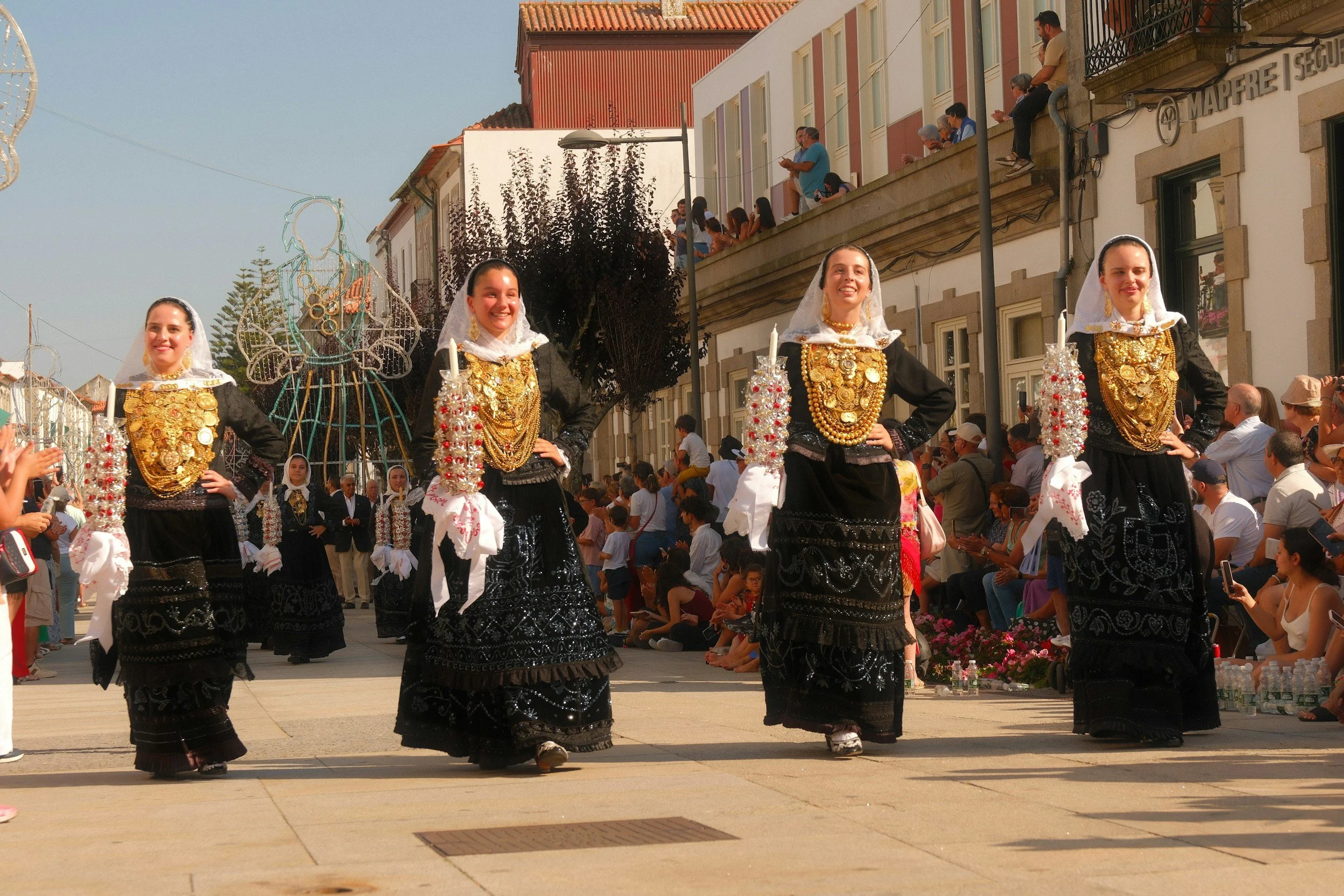
O tema esta semana é Festas populares - The theme this week is local festas.
Here are some words for this week - are there many new words here? How do you remember new words? It’s an interesting, and often frustrating process! Trying to find connections to words you already know, and playing around with the words really helps, if you haven’t already do try out the Quizet set below of the words - there are games and quizzes there as well as the audio.
arraial - decorated area where the festa takes place
pimba - music played at festas
bailarico - dance event with traditional or pimba music
marchas - populares traditional parades and dances
romaria - religious festival
sardinhada - festa with barbequed sardines
farturas - deep fried traditional sweet
palco - stage
rulotes - food trucks and stalls
fogo de artifício - fireworks
Here´s a link to a quizlet set with the words for you to play about with.
If you are in Portugal this summer you can’t fail to miss the festas going on every weekend. Bigger towns have more organised grand events – with fairs, markets, rides for the kids and big name Portuguese bands playing, and almost very smaller town and village has its own festa. There will always be a religious element – a parade and mass, and then there’s the food – often made and served by volunteers from the local community – and entertainment ranging from traditional dances – ranchos – to rifas – raffle stalls, and then the music that will start around 11 and go on until the early hours.
Here’s a link to a site that lists hundreds of locations and dates – if you want to know what you’re missing!
If you would like to join one of the weekly chat groups - we run two weekly - A0/A1 Weds 13h-13h30, A2/B1 - Thurs 13h-13h45, all details are in the weekly newsletter - sign up here. Your first chat is free :) (Only Thursday chats running in August)
And – we have a Whatsapp community – join us via this link.
AND because we learn really well from stories and seeing examples of correct language, every week I put together 3 stories or dialogues on the week’s theme with examples of the week’s words and phrases in a useful context. I strongly believe that we can learn a lot from reading, these mini-texts with translations are just the right length for you to digest easily. (look at the translations first if that helps!)
Stories:
AO/ A1
A Ana e o João vão à festa da vila no sábado. O arraial é muito bonito, com bandeiras coloridas e muitas luzes. Há um palco grande com música pimba e muitas pessoas gostam de cantar e dançar no bailarico. Perto do palco há várias rulotes com comida e bebidas. A Ana compra uma fartura com açúcar e canela, e o João come uma sandes de carne. Também há uma sardinhada, mas eles preferem comer mais tarde. Muitas famílias passeiam pelo arraial e falam com os amigos. À noite, toda a gente olha para o céu porque há fogo de artifício. A Ana diz que esta festa é uma das melhores da região e o João concorda.
A2
No verão passado, o Miguel e a Sofia visitaram uma pequena vila durante uma romaria. As ruas tinham muitas flores e bandeiras, e o arraial estava cheio de pessoas. Primeiro, assistiram às marchas populares, com grupos vestidos de forma tradicional. Depois, ouviram música pimba junto ao palco e participaram no bailarico. Mais tarde, comeram sardinhas numa sardinhada e compraram uma fartura para sobremesa. Também experimentaram algumas especialidades das rulotes, onde havia sandes, bifanas e doces. No fim da noite, todos esperaram pelo fogo de artifício. As cores iluminaram o céu e criaram um ambiente muito especial. O Miguel disse que queria voltar no ano seguinte, porque gostou muito da festa e da simpatia das pessoas.
B1
Todos os anos, a Inês e o Ricardo passam um fim de semana numa vila diferente para conhecer festas tradicionais portuguesas. Desta vez escolheram uma localidade famosa pela sua romaria. Quando chegaram, o arraial já estava cheio de visitantes e havia música pimba em frente ao palco. Depois de observarem as marchas populares, decidiram explorar as rulotes, onde encontraram pratos regionais e doces típicos. Durante a sardinhada, conversaram com habitantes da vila, que lhes explicaram algumas tradições locais. Mais tarde, entraram no bailarico e dançaram durante quase uma hora. Antes de regressarem ao hotel, assistiram ao fogo de artifício, que terminou a noite com um espetáculo impressionante. A viagem deu-lhes vontade de descobrir outras festas populares em diferentes regiões de Portugal.
Translations of the stories:A0 / A1Ana and João go to the village festival on Saturday. The festival area is very beautiful, with colourful flags and lots of lights. There is a large stage with pimba music, and many people enjoy singing and dancing at the dance event. Near the stage there are several food stalls selling food and drinks. Ana buys a fartura, a traditional fried sweet covered with sugar and cinnamon, and João eats a meat sandwich. There is also a barbecued sardine feast, but they prefer to eat there later. Many families walk around the festival area and talk to friends. In the evening, everyone looks at the sky because there are fireworks. Ana says this festival is one of the best in the region, and João agrees.A2Last summer, Miguel and Sofia visited a small village during a religious festival. The streets were decorated with flowers and flags, and the festival area was full of people. First, they watched the traditional parades, with groups dressed in traditional costumes. Afterwards, they listened to pimba music near the stage and joined the dance event. Later, they ate grilled sardines at a sardine feast and bought a fartura for dessert. They also tried some local specialities from the food stalls, where there were sandwiches, bifanas and traditional sweets. At the end of the evening, everyone waited for the fireworks. The colourful display lit up the sky and created a very special atmosphere. Miguel said he wanted to return the following year because he really enjoyed the festival and the friendliness of the local people.B1+Every year, Inês and Ricardo spend a weekend in a different village to discover traditional Portuguese festivals. This time they chose a place that is famous for its religious festival. When they arrived, the festival area was already full of visitors, and pimba music was playing in front of the stage. After watching the traditional parades, they decided to explore the food stalls, where they found regional dishes and typical sweets. During the barbecued sardine feast, they chatted with local residents, who explained some of the area's traditions. Later, they joined the dance event and danced for almost an hour. Before returning to their hotel, they watched the fireworks, which ended the evening with an impressive display. The trip made them want to discover more traditional festivals in other parts of Portugal